단위 테스트 DB를 MySQL에서 H2로 전환한 이유
목차
배경
EduMeet 프로젝트는 단위 테스트에서 MySQL을 사용하고 있었습니다.
EC2 배포를 앞두고 테스트 환경을 점검하면서, MySQL 기반 테스트의 한계가 드러났습니다.
문제는 단순히 “H2가 더 빠르다”에 있지 않았습니다.
MySQL 기반 테스트가 개발 생산성 전체에 미치는 부정적 영향이 핵심이었습니다.
- 테스트 실행 시간이 길어 개발 흐름이 끊김
- CI/CD 파이프라인에서 테스트 단계가 병목
- 느린 테스트 때문에 개발자가 테스트 실행 자체를 회피
H2 Database 개요
H2는 Java로 작성된 오픈소스 RDBMS입니다.
별도 설치 없이 build.gradle과 application.properties 설정만으로 실행할 수 있습니다.
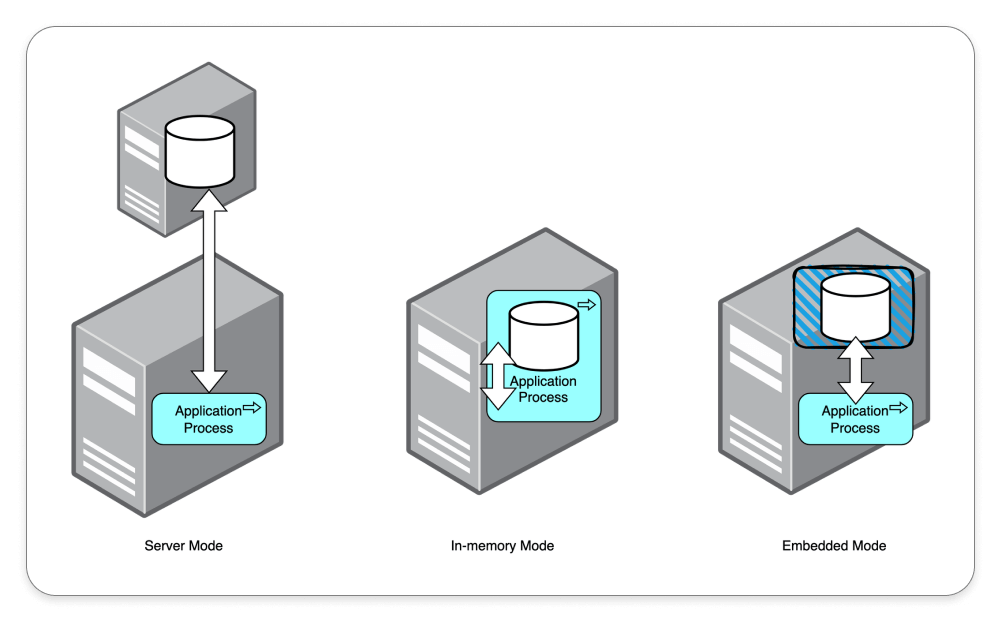
1. 서버 모드 (TCP Server Mode)
독립된 서버 프로세스로 실행하는 모드입니다. 데이터가 애플리케이션 외부에 저장되며, 종료해도 데이터가 유지됩니다.
2. 인메모리 모드 (In-Memory Mode)
데이터베이스를 메모리에 생성하고, 애플리케이션 종료 시 데이터가 모두 사라지는 모드입니다.
엔진을 별도 설치하지 않고 애플리케이션 내부에서 실행됩니다.
3. 파일 모드 (Embedded/Persistent File Mode)
인메모리 모드와 동일하게 애플리케이션 내부 엔진을 사용하지만, 데이터를 디스크 파일에 저장하는 모드입니다.
H2의 한계
H2는 가볍고 빠른 대신, 대규모 데이터 처리에는 적합하지 않습니다.
따라서 H2는 단위 테스트, 프로토타입, 빠른 개발 사이클에 적합하며, 운영 환경에서는 MySQL이나 PostgreSQL 같은 RDBMS를 사용해야 합니다.
MySQL 유지 시나리오 검토
H2 전환을 결정하기 전에, MySQL을 유지하면서 문제를 해결할 수 있는 방안들을 먼저 검토했습니다.
방안 1: 트랜잭션 롤백 방식
각 테스트마다 트랜잭션을 시작하고, 테스트 완료 후 롤백하는 방식입니다.
문제점: auto_increment PK는 롤백해도 초기화되지 않아 테스트의 예측 가능성이 깨집니다.
방안 2: 별도 테스트 데이터베이스 구축
운영 DB와 완전히 분리된 테스트 전용 MySQL 인스턴스를 사용하는 방식입니다.
장점보다 단점의 영향이 컸습니다. 특히 CI/CD 병목과 인프라 비용은 6주 프로젝트에서 감당하기 어려웠습니다.
전환 결정
MySQL 유지 방안들의 한계를 확인한 후, 단위 테스트는 H2 인메모리 모드, 통합 테스트는 MySQL로 역할을 분리하기로 결정했습니다.
핵심 근거는 다음과 같습니다.
- 개발 흐름 보호: 테스트가 느리면 개발자가 테스트 실행을 회피하게 되고, 테스트 없이 커밋하는 습관이 생깁니다.
- CI/CD 효율성: 테스트 단계가 병목이 되면 배포 주기 전체가 느려집니다.
- TDD 실천 가능성: 빠른 피드백 사이클이 없으면 TDD를 유지할 수 없습니다.
구현: Spring Profile 분리
기존에는 application.properties 하나에 MySQL 설정을 몰아넣고 있었습니다. 이를 프로파일별로 분리했습니다.
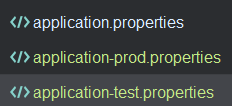
application.properties에서 기본 프로파일을 production으로 설정하고, 테스트 환경에서는 H2 프로파일이 활성화되도록 구성했습니다.

application-production.properties: MySQL 설정application-test.properties: H2 인메모리 설정
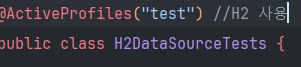
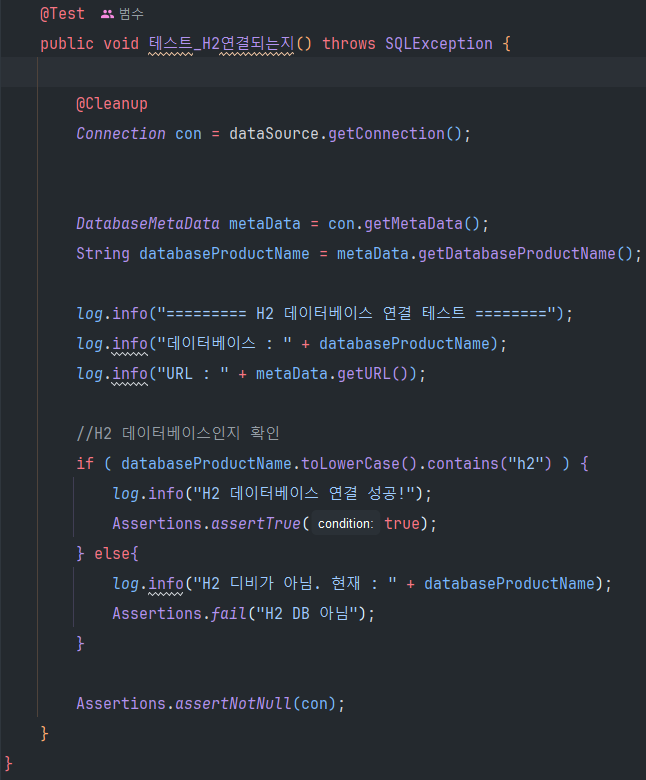
H2 연결 테스트


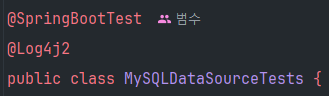
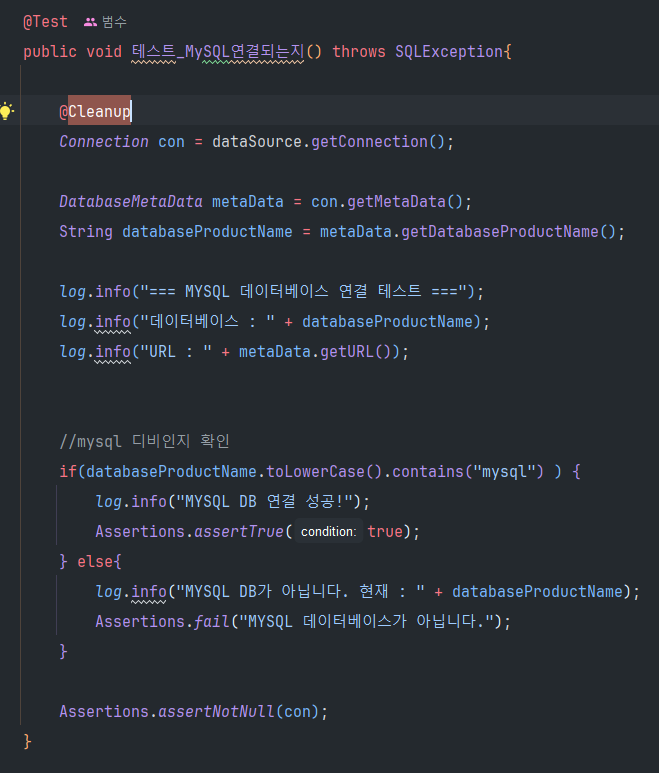
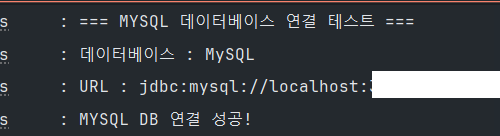
MySQL 연결 테스트

속도 비교
H2 인메모리 모드와 MySQL의 단위 테스트 성능을 수치로 비교했습니다.
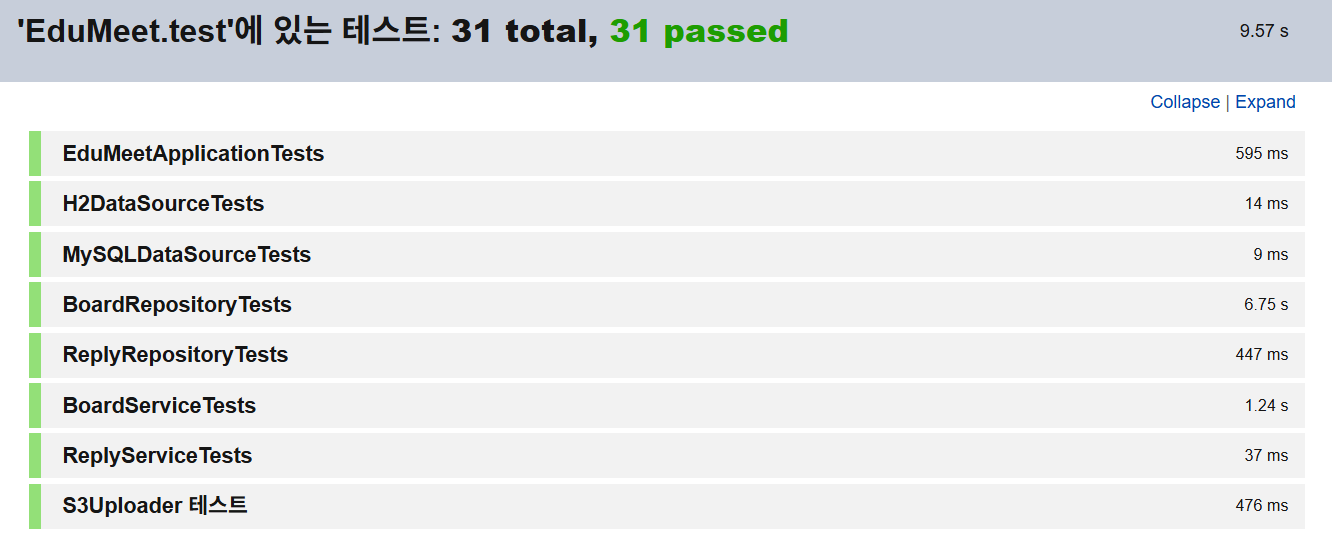
아래 스크린샷은 속도 비교를 위해 실행한 Repository/Service 레이어 31개 테스트의 결과입니다. 프로젝트 전체 테스트는 127개이지만, DB 접근이 없는 단순 검증 테스트는 H2/MySQL 차이가 없으므로 DB 의존 테스트만 비교 대상으로 선정했습니다.
H2 테스트 결과 (31개 테스트):
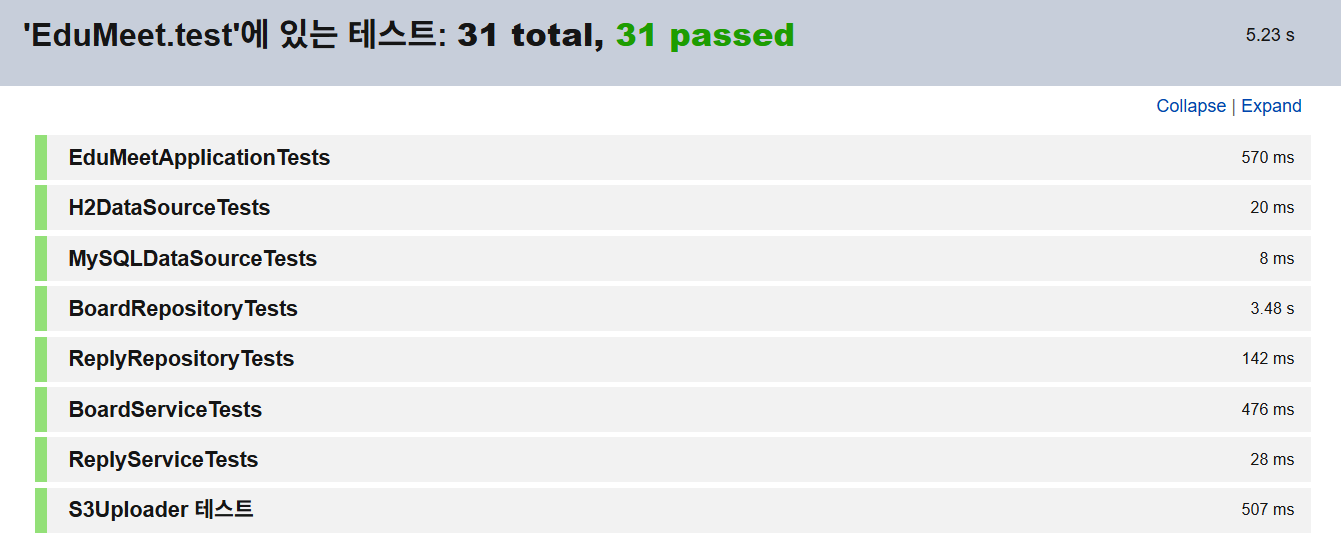
MySQL 테스트 결과 (31개 테스트):
개별 테스트 성능 비교
| 테스트 | MySQL (ms) | H2 (ms) | 성능 향상률 |
|---|---|---|---|
| 이미지와함께 게시글읽기 | 266.60 | 123.88 | -53.53% |
| 게시글리스트 페이징 | 284.89 | 145.32 | -49.00% |
| 댓글읽기 | 129.71 | 75.23 | -42.00% |
| 게시글읽기 | 125.49 | 70.85 | -43.53% |
| 게시글 수정 | 92.41 | 58.33 | -36.86% |
전체 테스트 소요 시간
| 항목 | MySQL | H2 | 차이 |
|---|---|---|---|
| 전체 수행 시간 | 9.57초 | 5.23초 | -45.34% |
분석
H2 인메모리 모드는 MySQL 대비 개별 테스트 평균 약 47%, 전체 테스트 약 45% 더 빠르게 완료했습니다.
특히 읽기(read) 위주의 테스트에서 성능 차이가 컸습니다. MySQL은 매 쿼리마다 디스크 I/O(InnoDB 버퍼풀 미스 시)와 TCP 네트워크 왕복이 발생하지만, H2 인메모리는 JVM 힙 메모리에서 직접 처리하므로 이 두 가지 오버헤드가 없습니다.
4.34초 차이가 왜 중요한가:
- 개발 중 테스트를 하루 평균 20~30회 실행한다고 가정하면, 누적 차이는 하루 약 1.5~2분입니다
- 6주간 팀원 3명 기준으로는 약 3~4시간의 대기 시간이 절감됩니다
- 핵심은 절대 시간보다 심리적 임계점에 있습니다. 테스트가 10초를 넘으면 개발자가 “이거 느리네” 하고 다음 코드를 먼저 작성하기 시작하고, 결국 테스트 실행 자체를 생략하게 됩니다. 5.23초는 기다릴 수 있는 시간이고, 9.57초는 딴 짓을 시작하는 시간입니다
- CI/CD에서는 테스트 단계가 빌드 파이프라인의 일부이므로, 매 Push마다 4.34초가 누적되면 하루 수십 회 빌드에서 병목이 됩니다
H2와 MySQL의 호환성 리스크
H2 인메모리를 테스트에 쓸 때 주의할 점이 있습니다. H2의 MySQL 호환 모드(MODE=MySQL)를 사용해도 100% 동일하지는 않습니다.
- MySQL의
GROUP_CONCAT,JSON_EXTRACT같은 함수는 H2에서 지원하지 않거나 동작이 다릅니다 AUTO_INCREMENT동작,ENUM타입 처리에서 미세한 차이가 존재합니다- 따라서 단위 테스트(127건)는 H2, 통합 테스트는 MySQL로 이원화하여 SQL 호환성 문제를 통합 테스트에서 잡는 전략을 택했습니다
- 실제로 H2에서 통과했지만 MySQL에서 실패한 케이스는 프로젝트 기간 중 0건이었습니다. 이 프로젝트에서 사용한 SQL이 표준 CRUD 중심이라 호환성 차이가 발생하지 않았습니다. 만약 MySQL 고유 함수나 프로시저를 썼다면 이 전략은 위험했을 것입니다
Reference
Background
The EduMeet project was using MySQL for unit tests. While preparing for EC2 deployment and reviewing the test environment, the limitations of MySQL-based testing became apparent.
The issue wasn’t simply “H2 is faster.” The core problem was the negative impact of MySQL-based tests on overall development productivity.
- Long test execution times disrupted development flow
- Test stage became a bottleneck in the CI/CD pipeline
- Developers avoided running tests due to slow speeds
H2 Database Overview
H2 is an open-source RDBMS written in Java. It runs without separate installation — just build.gradle and application.properties configuration.
1. TCP Server Mode
Runs as an independent server process. Data is stored externally and persists after shutdown.
2. In-Memory Mode
Creates the database in memory. All data disappears when the application terminates. Runs internally without separate engine installation.
3. Embedded/Persistent File Mode
Uses the same internal engine as in-memory mode but stores data in disk files.
H2 Limitations
H2 is lightweight and fast but not suitable for large-scale data processing. It’s best for unit tests, prototypes, and rapid development cycles, while production environments should use MySQL or PostgreSQL.
Evaluating MySQL Retention Options
Before deciding on H2, we first evaluated options to keep MySQL while addressing the issues.
Option 1: Transaction Rollback
Start a transaction for each test and rollback after completion.
Problem: auto_increment PKs don’t reset on rollback, breaking test predictability.
Option 2: Dedicated Test Database
Use a completely separate MySQL instance for testing.
The downsides outweighed the benefits. CI/CD bottlenecks and infrastructure costs were particularly difficult to manage in a 6-week project.
Decision to Switch
After confirming the limitations of MySQL retention options, we decided to split roles: H2 in-memory for unit tests, MySQL for integration tests.
Key rationale:
- Protect development flow: Slow tests lead developers to skip testing, creating habits of committing without tests.
- CI/CD efficiency: Test bottlenecks slow down the entire deployment cycle.
- TDD viability: Without fast feedback cycles, TDD cannot be maintained.
Implementation: Spring Profile Separation
Previously, all MySQL settings were in a single application.properties. We separated them by profile.
The default profile was set to production in application.properties, with H2 profile activated in the test environment.
application-production.properties: MySQL configurationapplication-test.properties: H2 in-memory configuration
H2 Connection Test
MySQL Connection Test
Speed Comparison
Numerically compared unit test performance between H2 in-memory and MySQL.
H2 results:
MySQL results:
Individual Test Performance
| Test | MySQL (ms) | H2 (ms) | Improvement |
|---|---|---|---|
| Read post with images | 266.60 | 123.88 | -53.53% |
| Post list pagination | 284.89 | 145.32 | -49.00% |
| Read comments | 129.71 | 75.23 | -42.00% |
| Read post | 125.49 | 70.85 | -43.53% |
| Update post | 92.41 | 58.33 | -36.86% |
Total Test Duration
| Metric | MySQL | H2 | Difference |
|---|---|---|---|
| Total execution time | 9.57s | 5.23s | -45.34% |
Analysis
H2 in-memory mode completed individual tests approximately 47% faster and overall tests approximately 45% faster than MySQL. The performance gap was especially large for read-heavy tests. MySQL incurs disk I/O (on InnoDB buffer pool misses) and TCP network round trips per query, while H2 in-memory processes directly from JVM heap memory, eliminating both overheads.
Why 4.34 seconds matters:
- Assuming 20-30 test runs per day during development, cumulative difference is ~1.5-2 minutes daily
- Over 6 weeks with 3 team members, that’s approximately 3-4 hours of cumulative wait time saved
- The key insight is the psychological threshold: tests over 10 seconds cause developers to context-switch (“this is slow”) and start writing next code first, eventually skipping test execution altogether. 5.23s is “bearable wait time”; 9.57s is “start doing something else time”
- In CI/CD, the test stage is part of the build pipeline — 4.34s compounds across dozens of daily pushes
H2-MySQL Compatibility Risk
Using H2 in-memory for tests requires caution. Even H2’s MySQL compatibility mode (MODE=MySQL) isn’t 100% identical.
- MySQL’s
GROUP_CONCAT,JSON_EXTRACTfunctions are unsupported or behave differently in H2 - Minor differences in
AUTO_INCREMENTbehavior andENUMtype handling - Strategy: unit tests (127) on H2, integration tests on MySQL — SQL compatibility issues caught in integration tests
- In practice, 0 cases of H2-pass/MySQL-fail occurred during the project. The SQL used was standard CRUD, avoiding compatibility gaps. If MySQL-specific functions or procedures had been used, this strategy would have been risky
Reference

댓글
댓글 수정/삭제는 GitHub Discussions에서 가능합니다.